
Services
UX Research & Strategy
We help teams define what to build, what to refine, and what to validate. From early alignment to post-launch evaluation, our research turns local user behavior into strategic direction.
How We Support Product Decisions in Japan
01
Strategic Alignment
Setting the Compass
We provide UX strategy consulting before research begins. We align stakeholders on assumptions, priorities, and success criteria, and translate the “ideal experience” into clear goals that guide the study.
02
Discovery
Uncovering the Why
We uncover the drivers behind Japanese user behavior and what truly shapes expectations. This gives your team a shared view of what matters in Japan, and why.
03
Refinement
Tailoring for Local Resonance
Concept and prototype testing shows what resonates locally and why. The goal is shared alignment across your team, enabling faster decisions and less rework.
04
Validation
Reducing Risk Before & After Launch
We evaluate usability risks and experience gaps both pre- and post-launch. You get decision-ready evidence for go/no-go calls and a prioritized path to improvement.
Our Methodologies
We select methodologies based on the decisions you need to make. Whether it’s a single deep dive or a multi-method approach, our focus stays the same: moving from observation to clear direction.










Working on medical devices or multi-country research?
How We Work Together
We manage the full research lifecycle, from scoping and recruitment to fieldwork and synthesis. If you only need support for specific phases, we can integrate where it helps most.
-
-
-

-
- Scoping and Proposal
- We clarify the study scope, goals, and key questions, then recommend the right approach, timeline, and budget to match your objectives.
-
-
-
-
- Preparation
- We prepare the core research materials, including screeners, discussion guides, and consent forms, and adapt them for the Japanese market when needed.
-
-
-
-
- Recruitment
- We recruit the right participants through trusted partners and professional networks, handling screening and scheduling for you.
-
-
-
-
- Fieldwork
- We conduct research remotely or in person, with live observation and debriefs available to keep your team close to the emerging findings.
-
-
-
-
- Deliverables
- We turn findings into clear implications grounded in Japanese context, with outputs designed to support alignment and next-step decisions.
-
-

Understanding Japan More Deeply
From fieldwork logistics to cultural deep dives, our articles share practical context for navigating the Japanese market.
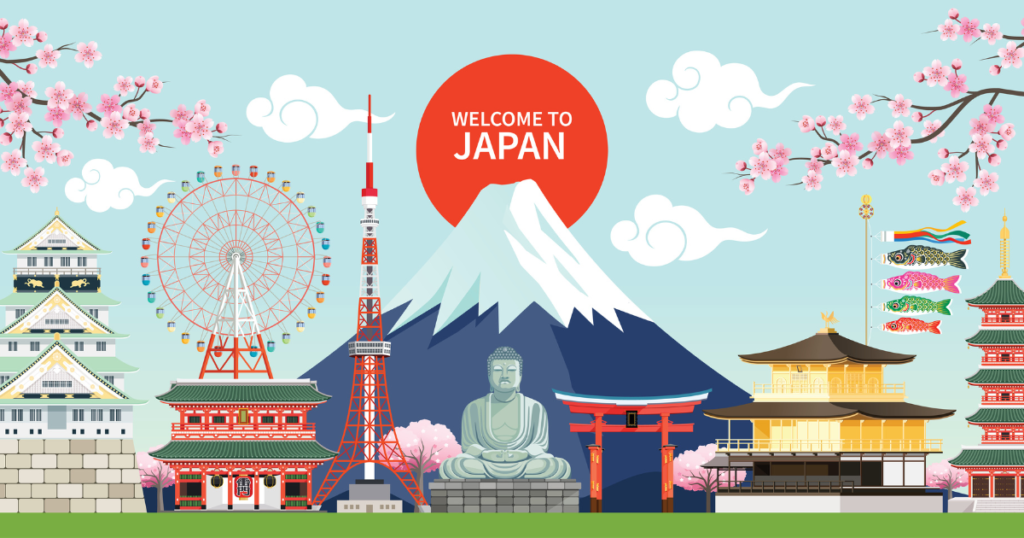
Fieldwork in Japan 101
A practical guide to navigating the operational landscape of Japanese fieldwork to ensure your study runs smoothly.
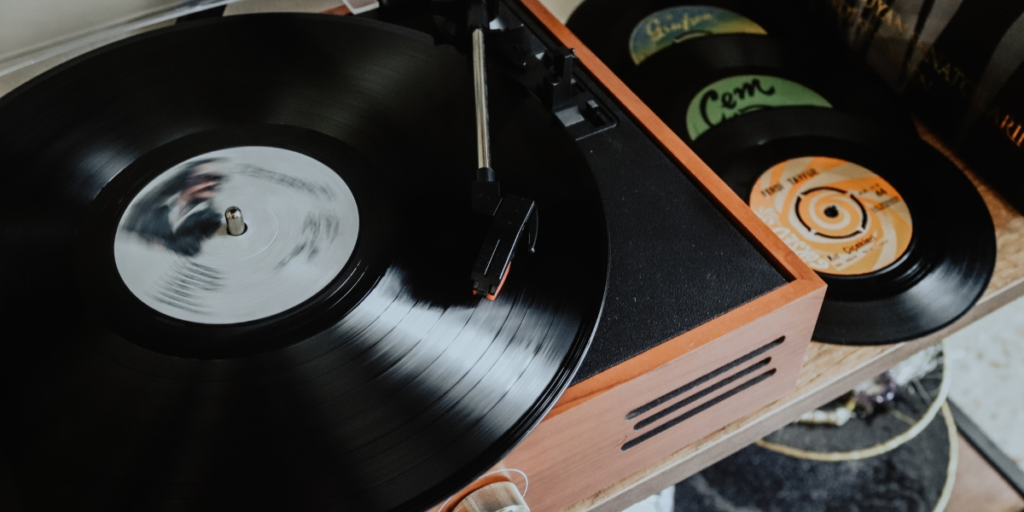
Why Japan’s Gen Z Finds Joy in Analog Experiences
Beyond nostalgia: exploring the UX implications of the “retro revival” among Japan’s digital natives.

Oshikatsu: The Next Japanese Word You Need to Know
How the culture of “fan support” shapes emotional investment and daily rituals for Japanese users.
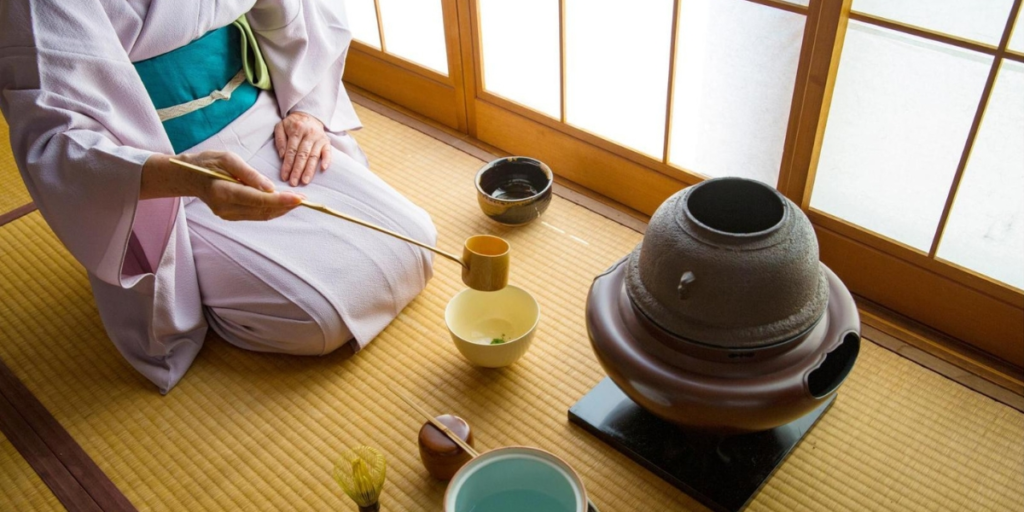
The Book of Tea: A Gateway to Japanese Aesthetics and Philosophy
Applying century-old tea ceremony principles to modern experience design and hospitality.
FAQ
Recruitment timelines vary depending on the target profile and screening criteria. For a typical consumer study, recruitment usually takes around 2 to 3 weeks. More specialized audiences may require additional time. We’ll advise on feasibility early so the timeline is clear from the start.
From kickoff to final delivery, a standard qualitative study in Japan typically takes about 5 to 7 weeks. This usually includes research design, recruitment, fieldwork, analysis, and reporting. The schedule may vary depending on scope and complexity.
Yes. Certain periods can affect availability, such as Golden Week (late April–early May), Obon (mid-August), and the New Year period. We’ll help you choose timing that minimizes disruption and risk.
Japanese participants tend to be highly reliable. A 5–10% buffer is typically plenty, compared to the 20% often required in other markets.
In many cases, yes. Tokyo provides a large and diverse participant pool for consumer studies. That said, if the target profile is narrow or difficult to recruit, we may need to expand beyond Tokyo to reach the right participants. We may also recommend additional locations when regional context matters
Your team can be involved at a level that fits your working style. We can arrange live remote observation, provide live interpretation when helpful, and run interim debriefs to keep you aligned during fieldwork. If you’d like to make light refinements to the discussion guide mid-study, we’ll advise on what’s feasible while maintaining consistency.
We strongly advise against it. The pool of English-speaking participants in Japan is unrepresentative. To get authentic insights, sessions should be in Japanese with professional interpretation.
Ready to plan a study?
Fill out the form and we’ll contact you soon.