

Fieldwork in Japan 101: A Practical Guide for Overseas Research Teams
Fieldwork in Japan often looks straightforward on paper, but projects can quietly lose quality through mistranslated stimuli, over-tight recruitment criteria, or session designs that ignore local communication patterns. Executing high-quality user research in Japan requires careful planning and awareness of local operational and cultural factors. This guide outlines our proven workflow across three phases: Pre-Fieldwork Preparation […]

The UX of MBTI: Why Gen Z is Building a New Protocol for Connection
As a UX researcher, I’m trained to observe the subtle ways people interact with the world. Within the last few years, a fascinating pattern has emerged among my peers, friends, and in my own digital life. It’s a four-letter code that has become a new kind of language: MBTI*. * Short for the Myers-Briggs Type Indicator, a self-reported questionnaire that assigns people to one of 16 […]

From Coins to Chimes: Japan’s Cultural Shift to Cashless
The Cashless Paradox For any global visitor, Japan has long been a land of fascinating contradictions: a nation of futuristic bullet trains and talking toilets that, until very recently, ran on physical cash. As UX researchers in Tokyo, we’ve had a front-row seat to the dramatic unraveling of this very paradox. If we turn the clock back just seven […]
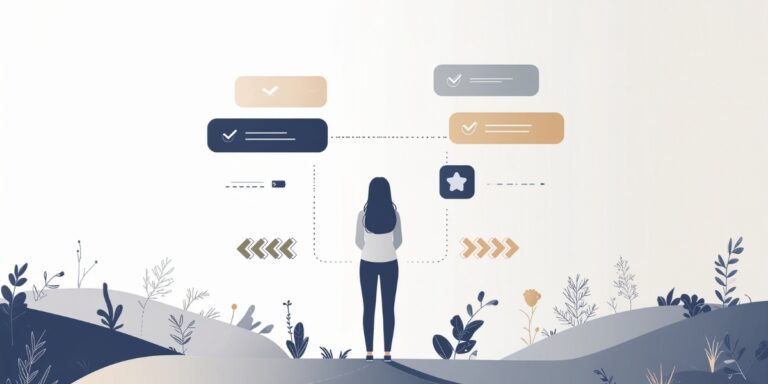
Condemned to Choose: What Jean-Paul Sartre Can Teach Us About UX Design
In the world of UX, we’re often obsessed with a frictionless experience. We strive for usability, speed, and seamless journeys. These are vital, of course. But in our quest for efficiency, are we forgetting something more fundamental? The human experience of choice. Every day, we click, decide, and act through user interfaces. But how free […]

“Oshikatsu” – The Next Japanese Word You Need to Know
Words like emoji and otaku have entered the global business lexicon, each offering a unique window into Japanese culture. It’s time to add a new one to your list: Oshikatsu (推し活). On the surface, Oshikatsu might look like simple fandom. It translates loosely to “supporting one’s fave,” with “oshi” (推し) being the favorite idol or […]

Home Visits in Japan: The Promise and the Paradox
For researchers aiming to understand users in their natural environment, home visits are often considered the gold standard. They promise a window into daily routines, spatial habits, and unspoken needs that remote interviews or surveys might miss. However in Japan, this method presents a fascinating paradox: the closer you get to the user, the more […]