Article Summary
- Stationery as Self-Expression: Japanese consumers treat stationery goods like fashion, curating products around personality, mood, and identity.
- The Value of Choosing: Slower, hands-on shopping experiences can create stronger emotional attachment than convenience-first shopping focused on efficiency.
- Beyond Functionality: Products gain value through aesthetics, personal curation, and how they fit into everyday life.
I thought I knew what to expect when I decided to visit 文具女子博 (Bungu Joshi Haku), one of Japan’s largest stationery expos. Held annually in Tokyo or Yokohama, it attracts 800,000 people and offers over 50,000 stationery products, ranging from major brands to independent creators, exclusive items, and hands-on workshops. *1
Japan’s stationery market continues to grow despite digitization. Stationery has long been popular in Japan, so much so that the term terms like 文具女子 (bungujoshi), or “stationery girls,” are used to describe enthusiastic fans, though the trend today extends beyond gender.
As its popularity continues to grow, events like this sell out quickly, and social media is filled with hauls and recommendations. I came across this event through one of these videos and managed to purchase one of the last remaining tickets, expecting to see dedicated hobbyists browsing fountain pens and planners.
But what I walked into was completely different.
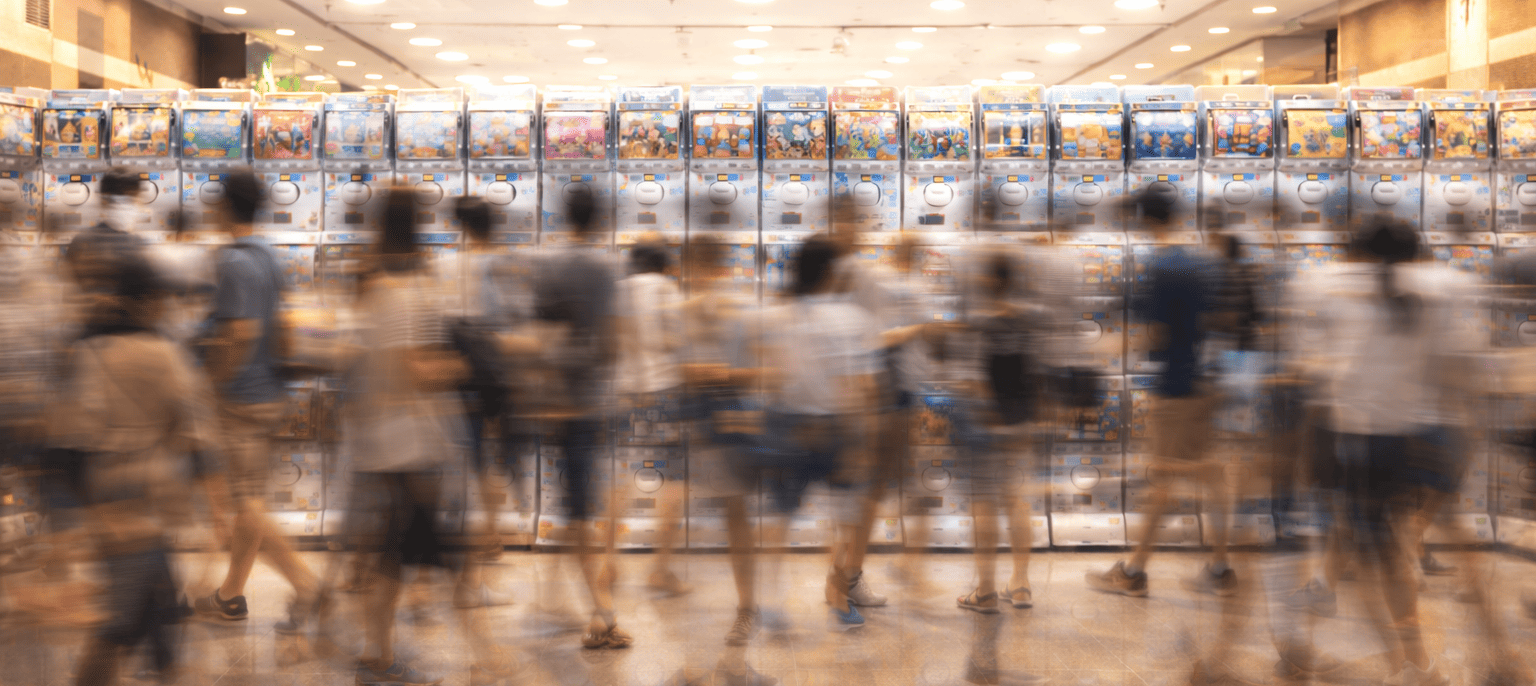
The entire convention center was packed with booths, each surrounded by crowds trying to get a closer look. The checkout line snaked across the venue and doubled back on itself. Outside, people had set up folding stools and blankets, waiting for the next entry slot that wouldn’t open for another hour.
As someone raised in the era of online shopping and instant delivery with a click of a button, this scene surprised me. Why were so many people so emotionally invested in everyday objects like stationery? These products were common objects, and you can buy a functional pen for less than the price of a coffee. Yet, here at this stationery expo, there were hundreds of people who had cleared their entire Saturday to purchase items they certainly already owned.
Stationery as Self-Expression
The event’s official theme gave away the first clue: 「今日のコーデ」 (Today’s Outfit).
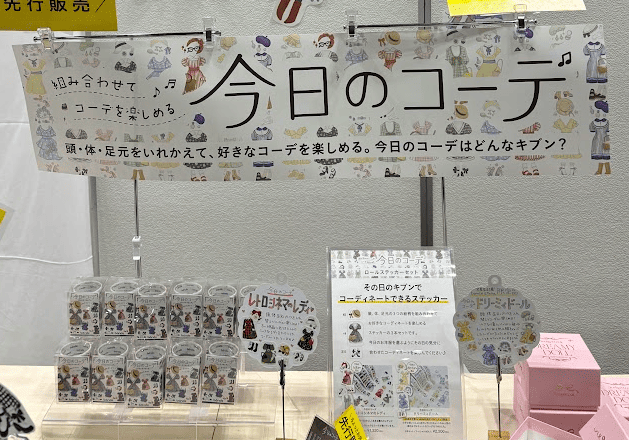
At first, it seemed like clever marketing. But as I listened to conversations and watched how people shopped, it became clear that this idea reflected the people’s perspective on stationery.
I overheard one person laugh and say, “I like having different pens depending on my mood. Something sleek work meetings and something more colorful for journaling,” Another person spent several minutes matching stickers to the color scheme of their journal.
They were treating stationery the way someone curates a wardrobe. A minimalist notebook for structured planning. Colorful, bold pens for journaling. Each “outfit” serves a different purpose and expresses a different side of someone’s personality.
Much like “outfit of the day” or “fit check” trends online, the focus wasn’t on a single item, but on how different elements came together. In the same way, these shoppers were creating a unique ‘vibe’ by combining stationery items, rather than simply buying a pre-packaged set.
Stationery, in this context, is no longer just a tool. It becomes a medium for self-expression.
Personality in Everyday Objects
This way of thinking a broader cultural pattern. In Japan, even the smallest everyday objects are often tied to seasons, personality, mood, and aesthetic value.
At the dining table, chopstick rests are changed with the seasons, with motifs like cherry blossoms in spring or maple leaves in autumn. Items like fans or furoshiki cloths are chosen not just for function, but for their patterns and how they reflect personal taste or the time of year.
Walking through the expo, I was struck by the creativity applied to ordinary items. There were sushi-shaped erasers, washi tape designed to look like supermarket food packaging, and miniature objects modeled after familiar scenes from daily life.
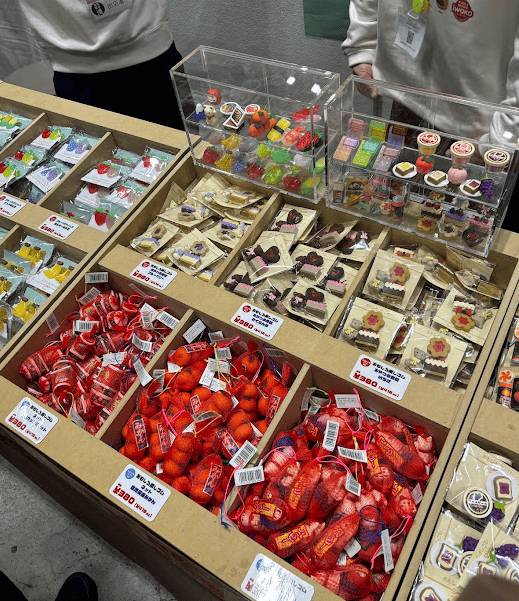
None of this improved functionality. A sushi-shaped eraser doesn’t erase better than a regular one. But that isn’t the point.
Function is simply the baseline. What matters is how something looks, feels, and fits into everyday routines. These objects bring small moments of enjoyment and allow people to shape their environment in subtle, personal ways. In this sense, stationery extend beyond practicality, an idea explored further in the article below.
Related Article
Explore philosopher Martin Heidegger’s concept of “disappearing design,” where the best tools quietly fade into the background and feel like a natural extension of the user.
In a culture where social harmony is often emphasized, stationery can also serve as a private space for expression. Planners, notebooks, and personal items allow individuals to experiment with colors, layouts, and styles in ways that don’t need to be shared with others.
Why People Value the Process of Choosing
If stationery is a form of self-expression, then choosing it becomes meaningful in itself.
This was most evident in how people interacted with the products at the expo. Many spent long periods of time at a single booth, not because they had to wait in long lines, but because they wanted to. They tested pens on different types of paper, compared notebook textures, and considered how each item would fit into their existing collection.
-5-1.png)
Texture
“I always choose notebooks based on how the paper feels. It makes writing feel more intentional.”
-3.png)
Color
“Do you think this ink color works with the cream-colored paper in my planner?”
-4.png)
Style
“This washi tape is nice, but this pattern doesn’t match the rest of my planner.”
The value wasn’t just in the items themselves, but in the process of discovering something that felt uniquely theirs. The act of experimenting, comparing, and choosing became just as important as the final purchase.
In contrast to the speed and convenience of online shopping, this experience was slower and more deliberate. But that was precisely what made it meaningful. Each decision contributed to something personal, something curated over time. Borrowing the lens of French philosopher Henri Bergson, particularly his concept of durée (pure duration), we can better understand how meaning emerges through continuous experience rather than isolated moments.
Related Article
Explore how meaningful UX emerges through continuity, rhythm, and experiences unfolding over time.
The Real Product Isn’t Just the Pen
Walking out of the expo hours later, shopping bag in hand, it became clear that this was much more than pens and paper. True to its theme of “Today’s Outfit,” stationery felt like something you could curate to express who you are.
From a UX perspective, this is a useful reminder that great experiences aren’t defined by speed or efficiency alone.
Sometimes, what people value more is the ability to explore, take their time, and form a personal connection with what they choose.
References:
UX Research & Strategy
Learn more about Uism’s UX research services.