
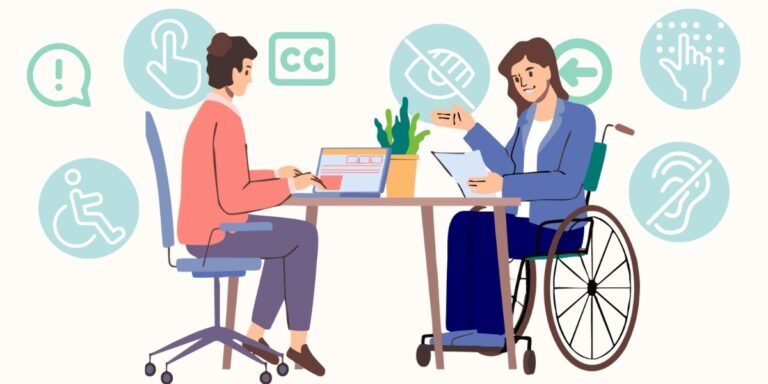
Accessibility in UX Research: Considerations and Practical Points for Research Firms
As the importance of Diversity, Equity, & Inclusion has increased in recent years, there has been a growing emphasis on accessibility. Designing products and services that are easy for everyone to use is not only socially responsible, but essential to a company’s sustainability. In UX research, directly incorporating the voices of people with disabilities is […]
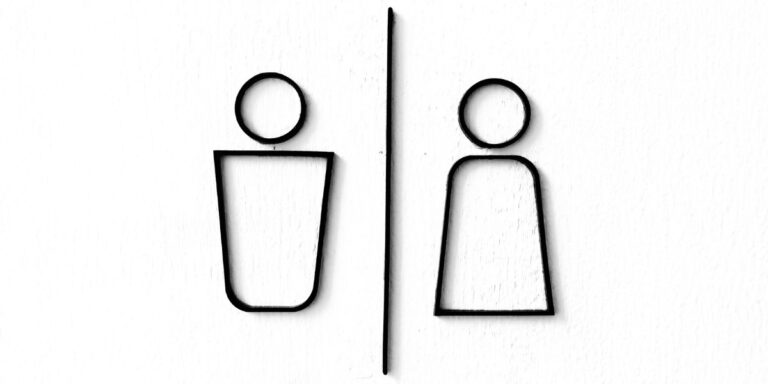
UX Trap of Japanese Toilets: Why Icons aren’t Always Universal
Japan has a long history of taking ideas from other cultures and refining them into something uniquely Japanese. Toilets are no exception. They’ve been transformed into high-tech marvels, complete with heated seats, bidets, dryers, self-cleaning functions, sound masking, all integrated into a compact Washlet. But here’s the twist. For something so advanced, there are countless […]
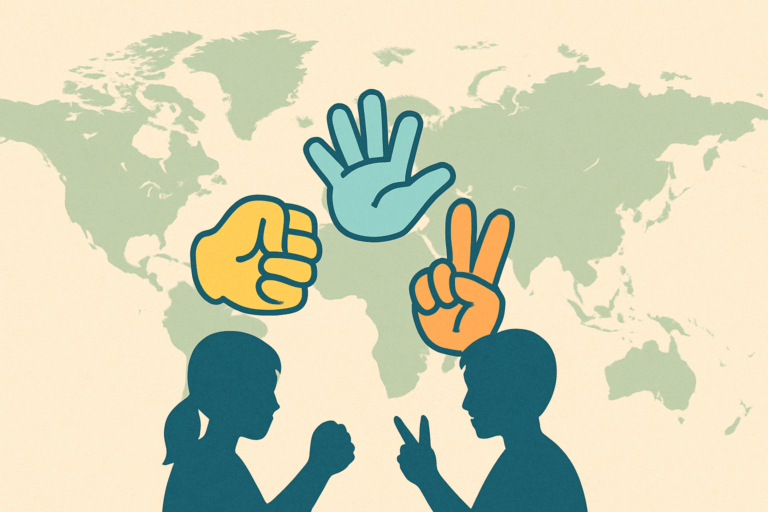
Why Rock, Paper, Scissors is the Perfect UX System
Did you know that Rock, Paper, Scissors (yes, that universal game we all played as kids), actually comes from Japan? In Japanese, it’s called jan-ken, and while the basic rules are the same, its role in everyday life is far more embedded in the culture than in most Western countries. In Japan, jan-ken isn’t just […]
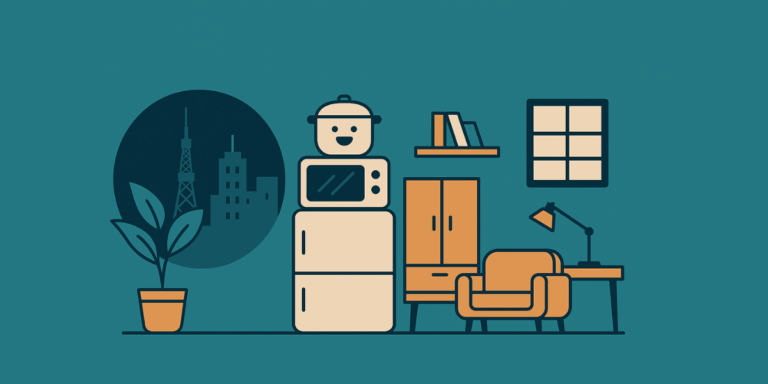
Small Spaces, Big Insights: What urban Japanese apartments teach us about space-constrained design
When global teams talk about innovation, the spotlight often falls on tech giants or visionary designers. But in Japan, some of the most thoughtful, compelling lessons in design come from places no bigger than a walk-in closet. Urban apartments in cities like Tokyo or Osaka are famously compact. A single resident might live comfortably in […]

Home Visits in Japan: The Promise and the Paradox
For researchers aiming to understand users in their natural environment, home visits are often considered the gold standard. They promise a window into daily routines, spatial habits, and unspoken needs that remote interviews or surveys might miss. However in Japan, this method presents a fascinating paradox: the closer you get to the user, the more […]

Redefining Ma (間) in Japanese Digital Aesthetics
Empty space, leaving things out, can speak more strongly than putting them in, and I think that’s very Japanese. — Hiroe Swen (Ceramic Artist) Ma (間), meaning gap, pause, or space, is a spiritual concept of emptiness deeply rooted in Japanese art and culture. It represents the beauty found in the space between things and […]
Navigating Accessibility UX Research in the Japanese Market
As the importance of Diversity, Equity, & Inclusion has increased in recent years, there has been a growing emphasis on accessibility. Designing products and services that are easy for everyone to use is not only socially responsible, but essential to a company’s sustainability. In UX research, directly incorporating the voices of people with disabilities is […]

Design Users to Become the “Overman”: Rethinking UX in the Age of AI Through Nietzsche’s Philosophy
“Don’t make me think.” For years, this phrase—the title of Steve Krug’s seminal book—has been the golden rule in UI/UX design. Reducing user effort, eliminating confusion, and guiding users to their goals as efficiently as possible. This is what we have always believed to be “good UX.” However, with generative AI beginning to take over parts of human work, we ask: Is offering effortless and easy experiences really beneficial for humans? Philosopher Friedrich Nietzsche stated “God is […]

I Think, Therefore I Test: What Descartes Can Teach Us About UX
What can a 17th-century philosopher teach us about UX? Surprisingly, quite a lot. One of the most famous phrases in philosophy comes from René Descartes: “I think, therefore I am.” For him, this wasn’t just proof of existence. It was the starting point of an intellectual journey to find absolute certainty through radical skepticism. Centuries later, this […]

Magic Bags vs. Rescue Rangers: Comparing Food Waste Apps Across Cultures
Studying abroad, I stumbled upon an app that quickly became a daily essential: Too Good To Go. This wildly popular European platform transforms leftover food from cafes and restaurants into “magic bags”, at a wallet-friendly price. Every time I placed an order, I’d find myself eagerly heading to the venue, wondering what goodies awaited me […]