

The Cashless Paradox
For any global visitor, Japan has long been a land of fascinating contradictions: a nation of futuristic bullet trains and talking toilets that, until very recently, ran on physical cash. As UX researchers in Tokyo, we’ve had a front-row seat to the dramatic unraveling of this very paradox.
If we turn the clock back just seven years, our research revealed a surprising reality. Even among Japan’s younger generations, the very demographic one would assume to be fully digital, many people still identified as “cash-first,” preferring physical transit cards over their mobile equivalents. Their fears were tangible: “What if my phone battery dies after I’ve entered the gate, but before I exit?” or “How embarrassing would it be to have the gate slam shut on me because I forgot to top up my account?”
Today, that scene is transformed. The river of plastic cards has been replaced by a sea of smartphones, a change seen among commuters of all ages. In our research, it’s now a genuine challenge to recruit users who don’t use digital payments.
What triggered this dramatic reversal? How did a society, so attached to the physical security of cash, come to place its trust in the invisible world of digital payments? This story offers a fascinating look at the delicate relationship between culture, technology, and trust.
A Culture of Concrete Trust
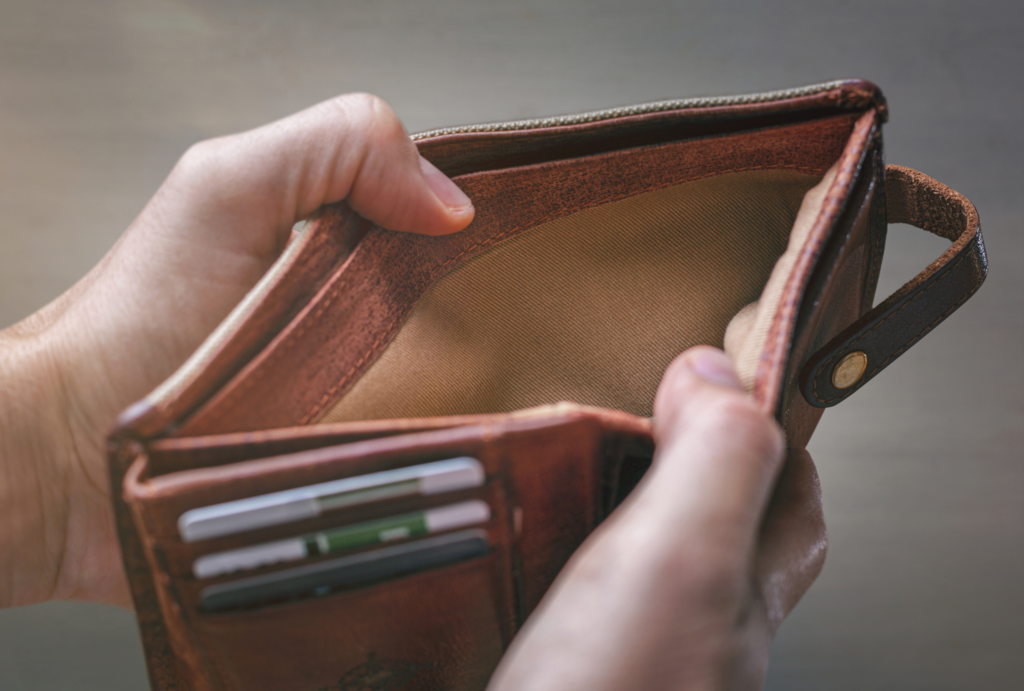
To understand the scale of the change, one must first understand the depth of Japan’s attachment to cash. This wasn’t just a habit; it was about a deep-seated cultural value: anshin-kan (安心感), a sense of peace of mind and tangible security.
This trust in physical currency was built on a unique social foundation. Japan’s remarkably low crime rate made carrying cash feel safe. The currency itself is famously pristine—clean, crisp, and rarely counterfeit. The physical act of exchanging cash, often with a slight bow and the use of a small tray, was a deeply ingrained social ritual. For decades, physical cash was the ultimate, reliable symbol of anshin-kan.
The Storm That Changed Everything
For years, Japan’s cashless adoption rate hovered at a sluggish pace. Then, starting around 2018, a “perfect storm” of three factors converged to finally break the dam.
- Government Incentives: The Japanese government launched a massive point-rebate program for consumers using cashless payments. Suddenly, not using a digital wallet meant actively losing money, pushing millions of hesitant users to try it for the first time.
- Aggressive Tech & Frictionless UX: Tech giants, most notably PayPay, entered the market with unprecedented force and massive marketing campaigns. Critically, their QR-code-based system offered a radically simple UX that dramatically lowered the barrier to entry for the small, independent merchants who had previously been cash-only.
- The COVID-19 Catalyst: The pandemic provided the final, decisive push. The global desire for “contactless” interaction for hygiene reasons transformed digital payments from a “nice-to-have” convenience into a “must-have” social necessity.
The Psychology of a New Habit
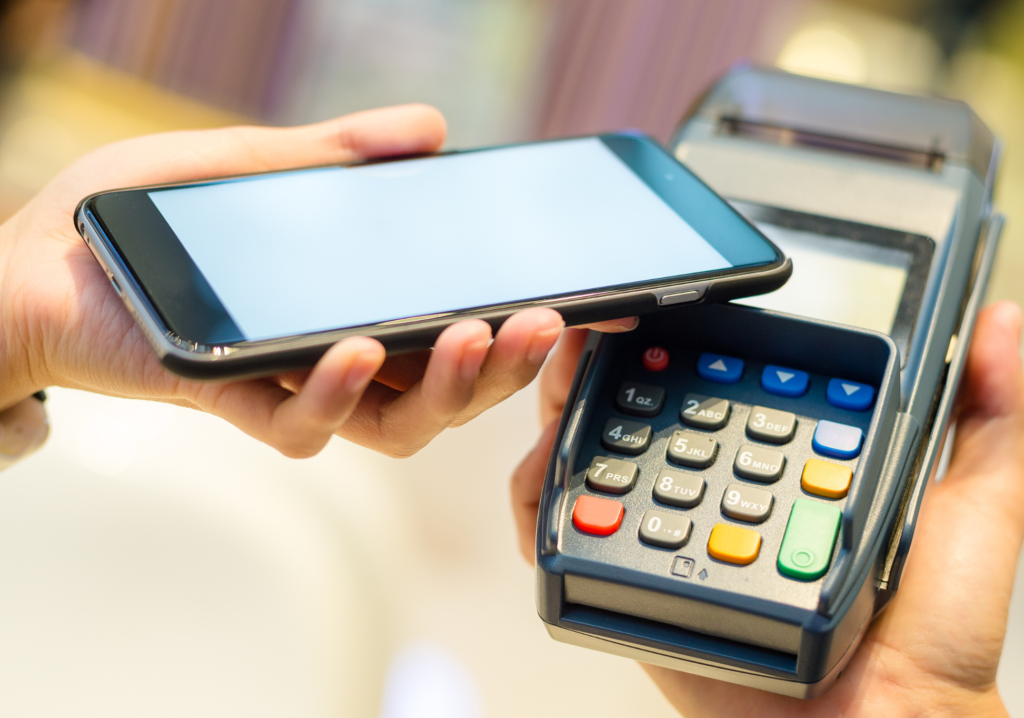
This perfect storm created the opportunity, but the real change happened in the minds of millions. Trust was not just adopted; it was meticulously designed.
The backing of massive, familiar brands provided an initial layer of security. Furthermore, the UX itself was designed to build confidence. The instant notifications and cheerful chimes provided immediate auditory and visual feedback, confirming that the invisible transaction was successful and chipping away at the user’s anxiety.
Once users experienced this seamlessness, cognitive dissonance set in. The old way of fumbling for coins suddenly felt inefficient. This mental friction created a powerful push to fully adopt the new habit, a shift reinforced by the social proof of seeing everyone else pay with their phones. A new form of anshin-kan was born.
The Shape of Our New Relationship with Money
This digital shift has had a tangible impact on Japan’s physical and social landscape. The most visible symbol is the wallet. Walk into any department store in Tokyo today, and you’ll see the evidence firsthand. The retail space once dedicated to bulky, leather long-wallets has shrunk dramatically. In its place are sleek, minimalist card holders and phone cases that function as wallets, designed for a world with little or no cash. Our values changed the shape of our tools, and these new, lighter tools are, in turn, reshaping our relationship with money itself, making it more abstract and fluid.
New social rituals have also emerged. The gesture of holding up a phone and the unique sound of a payment app have become a ubiquitous part of Japan’s commercial soundscape, a testament to how quickly a society can adopt a new “common sense.”
Nothing Endures But Change
The ancient Greek philosopher Heraclitus famously stated, “Nothing endures but change.” Looking back, Japan’s cashless transformation is a perfect embodiment of this truth. The once-unshakeable “cash is king” mentality was overturned in an accelerated, irreversible wave once a tipping point was reached.
The most important lesson from this story is that user values and what is considered “common sense” are never permanent. Yesterday’s norm can become today’s friction. In the midst of such dynamic change, for any business to rely on past successes or internal assumptions is the greatest risk it can take.
At Uism, a Tokyo-based UX research agency, we conduct the in-depth qualitative research needed to understand how your users’ values, habits, and “common sense” are evolving in the Japanese market. If you need to know where your users stand today and where they might be tomorrow, we are here to help.
Related Article:
Generational shifts in Japan show that nothing is permanent, and this article explores how Gen Z’s “Emoi” values are reshaping UX expectations.