

Synthetic Users: How Far can AI go in UX Research?
Can AI-generated synthetic users replace real ones? A UX case study with Japanese users in their 20s explores the potential and limits of AI in user research.

Inciting an AI Spring: The Importance of UX in AI Development
AI innovation alone is not enough. Discover why context, affordances, and user trust determine whether AI products create value or trigger frustration and abandonment.

Why Rock, Paper, Scissors is the Perfect UX System
Explore why Japan’s Rock, Paper, Scissors (jan-ken) is more than a game—it’s a powerful UX model rooted in cultural context, shared meaning, and intuitive interaction.

What Nietzsche Can Teach UX in the Age of AI
Does effortless UX make users weaker? Rethink AI design through Nietzsche’s philosophy, from passive convenience to empowering experiences, and from pain points to “power points.”

I Think, Therefore I Test: What Descartes Can Teach Us About UX
What can Descartes teach us about UX? This article explores how doubt, observation, and usability testing help teams challenge assumptions and build products based on real user behavior.

What is an “Insight” and How is it Different from a Finding?
A finding tells you what happened. An insight explains why it matters. Explore how deeper interpretation helps UX teams uncover unmet needs and design with more clarity.
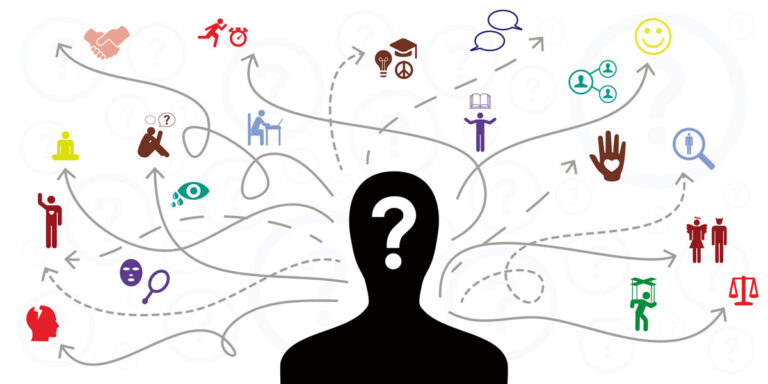
Unveiling the Underlying Insights of User Behavior
Why do users act differently from what they say? Learn how contextual inquiry uncovers unconscious habits, in-the-moment decisions, and hidden motivations by observing behavior in real contexts.