

Japan’s Guidelines on Digital Accessibility: A Break-down for Overseas Businesses
A brief explanation of Japan’s Digital Agency’s new guidelines for managing digital services in the public sector, which will influence—directly or indirectly—the best practices in the private sector. This article explains similarities and points of differentiation from international practices, as well as recommend implementing usability evaluations into the process to ensure implementation goes beyond simple “compliance.”
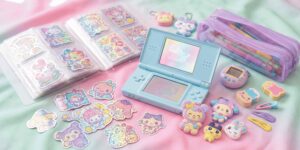
Heisei Retro: What Japan’s Nostalgia Boom Teaches Us About Gen Z UX
Why is “Heisei Retro” trending among Japan’s Gen Z? Discover the psychology behind this nostalgia boom and what it teaches about UX design.

Generative AI and Inclusive Design — Evolution, Opportunities, and Risks for Accessibility
Generative AI is a hot topic in Japan and globally. While it can greatly improve accessibility via multimodal assistive tools, risks such as implicit biases, poor sign-language rendering, and UI regressions necessitate diverse data.

Beyond Translation: A Practical Guide to Localizing Your Digital Product for Japan
Localizing for the Japanese market means adapting to local phrasing and behavioral norms. By doing so, businesses abroad can make their product feel natural within the culture and build trust.

Building Trust in New Products: Lessons from Psychology and UX Research
Why do users hesitate to trust new products? Discover 4 psychology principles that turn uncertainty, errors, and choice overload into better UX.

Why Are Japanese Workers Using Resignation Agencies?
Resignation agencies (taishoku daikou) are more than a Gen Z trend. This article explores how emotional friction and shifting social norms are reshaping the Japanese workplace, and why quitting has become a design challenge in a high-context culture.

Bachelor Date App: The UX of Gamified Romance in Japan
A UX researcher’s analysis of Bachelor Date, Japan’s AI blind dating app. Explore how ratings, tiers, and algorithmic matching shape dating behavior and reveal the gamification of modern romance.

Accessibility and UX Design Lessons Learned at a Bar for Deaf Patrons
A visit to a Japanese sign language bar shows the benefit of first-user involvement and intentional inclusive design to create a genuinely accessible, community-centered space for people with and without hearing disabilities to interact.

Your PMDA Submission: An Integrated Approach to Usability (62366-1) and Risk (14971)
Understand key usability evaluation requirements for PMDA submissions, including how JIS T 62366-1 and JIS T 14971 work together in medical device risk management.

Spending a Day at a Tokyo Day-Support Center: Reflections on Inclusive Design and Communication
Participating in the daily activities at Kururu Ebisu revealed the importance of understanding experiences that include non-verbal responses, support structures, and environments. The Uism team considers this from the perspectives of UX research and inclusive design.