

Bachelor Date App: The UX of Gamified Romance in Japan
A UX researcher’s analysis of Bachelor Date, Japan’s AI blind dating app. Explore how ratings, tiers, and algorithmic matching shape dating behavior and reveal the gamification of modern romance.

Accessibility and UX Design Lessons Learned at a Bar for Deaf Patrons
A visit to a Japanese sign language bar shows the benefit of first-user involvement and intentional inclusive design to create a genuinely accessible, community-centered space for people with and without hearing disabilities to interact.

Chance Chats Episode 2: The Temporarily Disabled
Temporary disabilities reveal overlooked user needs. Explore how they reshape work, independence, and opportunities for inclusive design.

Why Are People Obsessed with ‘Gacha’? What Capsule Toys Can Teach Us About UX Engagement Strategy
Japan’s $1.3B gacha market is driven by more than just luck. Explore the UX psychology behind its lasting appeal.
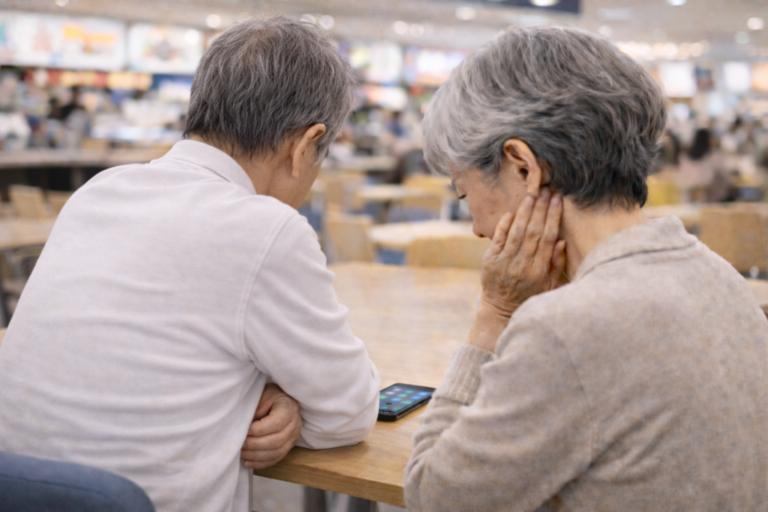
Why Older Adults Think They Can’t Use Technology: UX Research Insights
Seniors often think “I can’t.” Our UX research shows how to overcome this barrier to unlock a vast, untapped market for your digital products.

An Introduction to UX Design for Older Adults: Tips for Designing Beyond “Kindness”
Struggling with UX for an aging market? The secret isn’t more help, but designing for pride and accomplishment. Learn how to build psychological safety.

Why One Stay at a Traditional Japanese Inn Became an Unforgettable User Experience
Why does one stay at a traditional Japanese inn become unforgettable? Discover how surprise, storytelling, and thoughtful hospitality create a truly memorable user experience.

From Curiosity to Clarity: What Kids Reveal About Better UX
Learn UX principles from kids’ behavior. Explore intuitive design, feedback, inclusivity, and real cases from LEGO and Nintendo.

What Nietzsche Can Teach UX in the Age of AI
Does effortless UX make users weaker? Rethink AI design through Nietzsche’s philosophy, from passive convenience to empowering experiences, and from pain points to “power points.”